

Midsummer Solstice

June 21st, 2013 | Weather

Summer!Well, believe it or not, summer is fully upon us here in the Northern Hemisphere, no matter what the thermometer says. Today is the day when the sun is at its highest point in the sky, and for most places in the Northern Hemisphere, this will be the longest day of the year…… If only the weather would play its part!

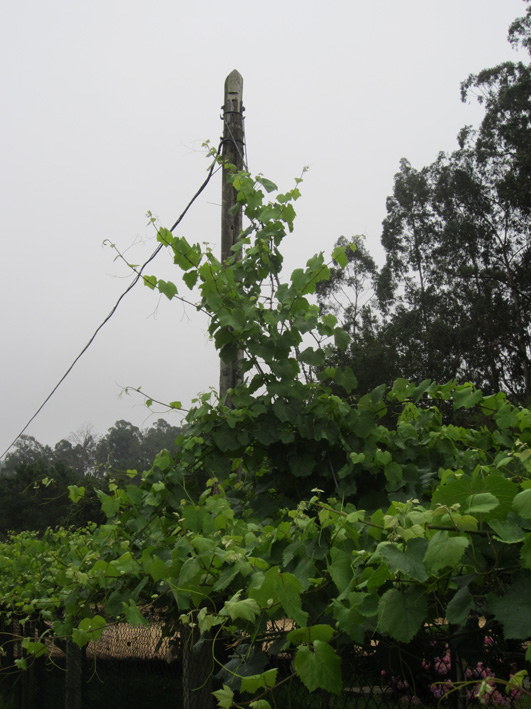
Yesterday we had only 15 or 16°C (59/60°F) and it rained for much of the afternoon – today is not much better, and as you can see from my photo. The skies are hardly what you would describe as an Azure blue – I think that London grey would perhaps be a more appropriate description.

I believe that our weather ‘experts’ have recently held a summit to discuss the extreme conditions that we are now experiencing, and their only conclusion is that the Jetstream (across the North Atlantic) is stuck, and is not in the position that it should normally be at this time of year. Of course, here on planet Earth we are all mere observers, and there is absolutely nothing that we can do to change the situation. As I always say, the best that we can do is cross our fingers and hope for the best.

Summer!Well, believe it or not, summer is fully upon us here in the Northern Hemisphere, no matter what the thermometer says. Today is the day when the sun is at its highest point in the sky, and for most places in the Northern Hemisphere, this will be the longest day of the year…… If only the weather would play its part!

Yesterday we had only 15 or 16°C (59/60°F) and it rained for much of the afternoon – today is not much better, and as you can see from my photo. The skies are hardly what you would describe as an Azure blue – I think that London grey would perhaps be a more appropriate description.

I believe that our weather ‘experts’ have recently held a summit to discuss the extreme conditions that we are now experiencing, and their only conclusion is that the Jetstream (across the North Atlantic) is stuck, and is not in the position that it should normally be at this time of year. Of course, here on planet Earth we are all mere observers, and there is absolutely nothing that we can do to change the situation. As I always say, the best that we can do is cross our fingers and hope for the best.

Angela’s message – our 30th vintage

June 20th, 2013 | Bodega

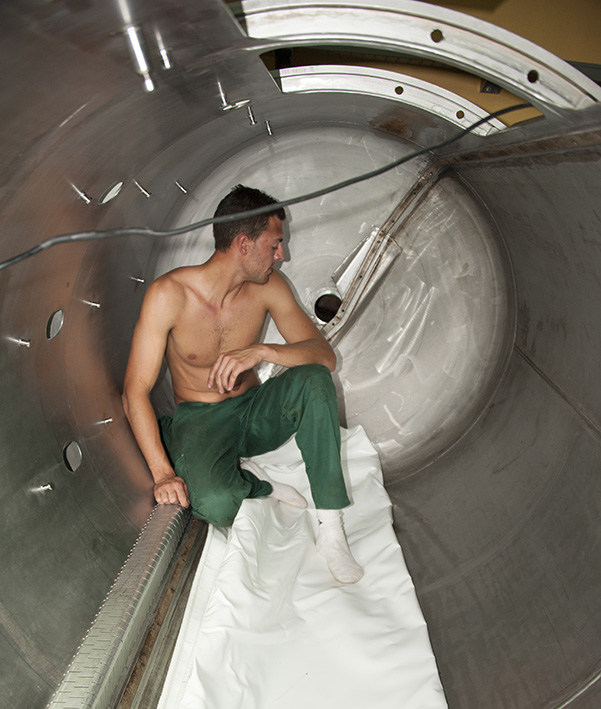
CC 2012En 1981, tras muchos años persiguiendo su sueño de “hacer algo mejor y diferente”, en la elaboración de nuestros vinos albariños, mi padre, D. Domingo Martín Morales, dio comienzo a la construcción de BODEGAS CASTRO MARTIN, la primera bodega con todas sus instalaciones y envases de elaboración y conservación del vino, fabricadas en “acero inoxidable”. Algo que hoy parece tan obvio en una bodega, en aquel momento no dejaba de ser una absoluta “locura” para los lugareños.  Y no sólo fue la primera bodega en nuestra Denominación de Origen Rías Baixas (aún sin fundar hasta el año 1988!!!, y que este año celebra también su 25º Aniversario), sino la primera en Galicia ¡!  Por supuesto, que había cientos de pequeñas bodegas familiares por toda la región, pero todas y cada una de ellas utilizaban diferentes depósitos de madera y algún que otro envase de poliéster o cemento … pero nada en acero inoxidable ¡!!

Así, la pionera visión de futuro de mi padre logró que llegáramos a tiempo a nuestra vendimia en 1982, vendimia que aún perdura en mi recuerdo como una de las mejores de todos estos años; hecho que quizás nos animó a seguir “por el camino del esfuerzo, superación e innovación constantes” en la elaboración de nuestros “queridos vinos” …

Hoy, mi padre no está, pero su legado sigue intacto, y, actualmente, su “sueño” llega a cuatro Continentes, viajando en 1ª Clase de British Airways, en Cruceros de Lujo – como el “Queen Mary 2”, o compitiendo en las pasadas Olimpiadas de Londres 2012, entre algunas de sus prestigiosas hazañas ¡!!!  …

Así que, es un honor para nosotros y  nos llena de enorme orgullo el poder presentar este año, nuestra Cosecha 2012, coincidiendo con nuestro 30ºAniversario

Deseamos que lo celebren y lo disfruten con nosotros, y que en los tiempos que corren, nuestro albariño Casal Caeiro 2012, llene las expectativas, tanto las suyas como las nuestras, con Espíritu positivo y con la fuerza y la ilusión, que hace 30 años impulsó a nuestro Fundador a creer y trabajar en sus sueños … creyendo siempre que con esfuerzo y tesón, todo es posible y no hay nada inalcanzable …

Salud y Suerte para todos ustedes … y brindemos con nuestra nueva cosecha de albariño CASAL CAEIRO “Sobre Lías” 2012 – 30º Aniversario ¡!!!

CC 2012En 1981, tras muchos años persiguiendo su sueño de “hacer algo mejor y diferente”, en la elaboración de nuestros vinos albariños, mi padre, D. Domingo Martín Morales, dio comienzo a la construcción de BODEGAS CASTRO MARTIN, la primera bodega con todas sus instalaciones y envases de elaboración y conservación del vino, fabricadas en “acero inoxidable”. Algo que hoy parece tan obvio en una bodega, en aquel momento no dejaba de ser una absoluta “locura” para los lugareños.  Y no sólo fue la primera bodega en nuestra Denominación de Origen Rías Baixas (aún sin fundar hasta el año 1988!!!, y que este año celebra también su 25º Aniversario), sino la primera en Galicia ¡!  Por supuesto, que había cientos de pequeñas bodegas familiares por toda la región, pero todas y cada una de ellas utilizaban diferentes depósitos de madera y algún que otro envase de poliéster o cemento … pero nada en acero inoxidable ¡!!

Así, la pionera visión de futuro de mi padre logró que llegáramos a tiempo a nuestra 1ª vendimia en 1982, vendimia que aún perdura en mi recuerdo como una de las mejores de todos estos años; hecho que quizás nos animó a seguir “por el camino del esfuerzo, superación e innovación constantes” en la elaboración de nuestros “queridos vinos” …

Hoy, mi padre no está, pero su legado sigue intacto, y, actualmente, su “sueño” llega a cuatro Continentes, viajando en 1ª Clase de British Airways, en Cruceros de Lujo – como el “Queen Mary 2”, o compitiendo en las pasadas Olimpiadas de Londres 2012, entre algunas de sus prestigiosas hazañas ¡!!!  …

Así que, es un honor para nosotros y  nos llena de enorme orgullo el poder presentar este año, nuestra Cosecha 2012, coincidiendo con nuestro 30ºAniversario …

Deseamos que lo celebren y lo disfruten con nosotros, y que en los tiempos que corren, nuestro albariño Casal Caeiro 2012, llene las expectativas, tanto las suyas como las nuestras, con Espíritu positivo y con la fuerza y la ilusión, que hace 30 años impulsó a nuestro Fundador a creer y trabajar en sus sueños … creyendo siempre que con esfuerzo y tesón, todo es posible y no hay nada inalcanzable …

Salud y Suerte para todos ustedes … y brindemos con nuestra nueva cosecha de albariño CASAL CAEIRO “Sobre Lías” 2012 – 30º Aniversario ¡!!!

Here comes the Helix!

June 18th, 2013 | Wine closures

The HelixForget the screw cap, toss aside your vino-lok and discard your corkscrew – here comes the Helix! The latest is a long line of revolutionary wine closures that will change your life (or so the manufacturers would have you believe). The lengthy debate about the most effective wine closure rumbles on and may never reach a definitive conclusion, or at least during my lifetime. The latest product to be thrown into the fray is a cork closure known as the Helix. Its shape is similar to the re-usable type of sherry or port stopper, except that it is made entirely from cork, without the plastic layer on top. The apparent advantage of this is that it can be removed by hand, with a simple twist, and without the need for a corkscrew. The cork has a spiral groove and the neck of the bottle has an internal thread which marry together to provide a seal as the cork is added.

The closure itself is a microagglomerate, in other words natural cork which is ground down into small fragments, cleaned by a steam-based process to remove or reduce the possibility of cork taint, and then glued back together (although the manufacturer will tell you that it is not really glue at all). So, in effect, the composition of this new product is a  technology that already exists, the only difference being the way that it can be removed from the bottle. You could say that it’s really a screw cap that’s made from agglomerated cork! My guess is that it has been designed to satisfy those who don’t approve of screw cap but will still be able to claim that they are using a ‘natural’ cork.

It will not be available for another year or two, but from what I have read so far, I have no immediate plans to make a change……

The HelixForget the screw cap, toss aside your vino-lok and discard your corkscrew – here comes the Helix! The latest is a long line of revolutionary wine closures that will change your life (or so the manufacturers would have you believe). The lengthy debate about the most effective wine closure rumbles on and may never reach a definitive conclusion, or at least during my lifetime. The latest product to be thrown into the fray is a cork closure known as the Helix. Its shape is similar to the re-usable type of sherry or port stopper, except that it is made entirely from cork, without the plastic layer on top. The apparent advantage of this is that it can be removed by hand, with a simple twist, and without the need for a corkscrew. The cork has a spiral groove and the neck of the bottle has an internal thread which marry together to provide a seal as the cork is added.

The closure itself is a microagglomerate, in other words natural cork which is ground down into small fragments, cleaned by a steam-based process to remove or reduce the possibility of cork taint, and then glued back together (although the manufacturer will tell you that it is not really glue at all). So, in effect, the composition of this new product is a  technology that already exists, the only difference being the way that it can be removed from the bottle. You could say that it’s really a screw cap that’s made from agglomerated cork! My guess is that it has been designed to satisfy those who don’t approve of screw cap but will still be able to claim that they are using a ‘natural’ cork.

It will not be available for another year or two, but from what I have read so far, I have no immediate plans to make a change……

Where’s the summer?

June 17th, 2013 | Travel

FlossWe’ve just returned from the southern United States (hence the lack of posting on our blog for the least week or two), and what a difference….. When we boarded the plane in America the temperature was pushing 30°C (86°F), but by the time we landed back in Galicia the temperature had dropped to a chilly 15°C (59°F), even though it was midday when we arrived! Apparently the weather had remained cool and changeable in our region all the time that we were away, which was not good news for the flowering. Of course we are not sure what the long term effects might be as yet, but suffice to say that at this rate we could start picking our 2013 as late as October! As usual we find ourselves at the mercy of the weather Gods, who will ultimately determine the size and quality of our harvest….

One quick story from our trip – at France’s Charles de Gaulle airport in Paris I experienced one of the most ridiculous episodes of my life. We had just climbed off our overnight Transatlantic flight from Boston, and within 50 metres of leaving the plane, we were obliged to pass through security once again, in order to transfer to our flight to Vigo (despite the fact that we had clearly remained what is known as “airside”). We obediently succumbed to the usual routine – shoes off, jacket off, belt off, watch off, change out the the pocket, laptop out of the bag etc., etc., and then passed through the metal detector. Despite a green light, the ‘security official’, or should I say ‘jobsworth’, decided to give me an additional pat down (hand search). The only thing I had left in my pocket was a small plastic container of dental floss measuring about 4cm across (about 1½ inches).

The ‘official’ immediately seized my floss, stopped the entire queue of people behind me, went back and put this tiny PLASTIC container in it’s own, huge grey plastic tray, and then put it through the x-ray machine!!!! Unfortunately I was not able to take a photo to illustrate this entirely bizarre and ridiculous  incident as photography is not allowed (as is, apparently, dental floss).

FlossWe’ve just returned from the southern United States (hence the lack of posting on our blog for the least week or two), and what a difference….. When we boarded the plane in America the temperature was pushing 30°C (86°F), but by the time we landed back in Galicia the temperature had dropped to a chilly 15°C (59°F), even though it was midday when we arrived! Apparently the weather had remained cool and changeable in our region all the time that we were away, which was not good news for the flowering. Of course we are not sure what the long term effects might be as yet, but suffice to say that at this rate we could start picking our 2013 as late as October! As usual we find ourselves at the mercy of the weather Gods, who will ultimately determine the size and quality of our harvest….

One quick story from our trip – at France’s Charles de Gaulle airport in Paris I experienced one of the most ridiculous episodes of my life. We had just climbed off our overnight Transatlantic flight from Boston, and within 50 metres of leaving the plane, we were obliged to pass through security once again, in order to transfer to our flight to Vigo (despite the fact that we had clearly remained what is known as “airside”). We obediently succumbed to the usual routine – shoes off, jacket off, belt off, watch off, change out the the pocket, laptop out of the bag etc., etc., and then passed through the metal detector. Despite a green light, the ‘security official’, or should I say ‘jobsworth’, decided to give me an additional pat down (hand search). The only thing I had left in my pocket was a small plastic container of dental floss measuring about 4cm across (about 1½ inches).

The ‘official’ immediately seized my floss, stopped the entire queue of people behind me, went back and put this tiny PLASTIC container in it’s own, huge grey plastic tray, and then put it through the x-ray machine!!!! Unfortunately I was not able to take a photo to illustrate this entirely bizarre and ridiculous  incident as photography is not allowed (as is, apparently, dental floss).

Out of office

June 2nd, 2013 | Travel

Summer breakFor the next ten days Angela and I will be away, travelling abroad. I will be relying on my new smartphone to keep in touch, which should, in theory, be quite simple. Of course this new phone is untested outside Spain, and having only had it for a week or so, I am still very much learning exactly what it can do (everything but making a cup of tea, or so it would seem).

The long and short of the story is that it is unlikely that there will be any new postings on this blog during the coming days. Please excuse the break in service!

Summer breakFor the next ten days Angela and I will be away, travelling abroad. I will be relying on my new smartphone to keep in touch, which should, in theory, be quite simple. Of course this new phone is untested outside Spain, and having only had it for a week or so, I am still very much learning exactly what it can do (everything but making a cup of tea, or so it would seem).

The long and short of the story is that it is unlikely that there will be any new postings on this blog during the coming days. Please excuse the break in service!

Coke or cocktail?

May 28th, 2013 | Responsible Drinking

Coke cocktailI found a website the other day that included suggestions for Albariño cocktails. Of course making a spritzer with white wine is quite common, but purist that I am, I really don’t believe in mixing our wine with anything….. just enjoy it chilled, on its own, as nature (or should I say Angela) intended when she lovingly created it!

Then I came across another article about the Kalimotxo – a ‘blend’ of red wine and Coca Cola that has been around since the 1970’s. Of course I had heard the rumours of Chinese millionaires enjoying their bottle of 1st growth Bordeaux wine made into a Coca-Cola spritzer, and I should add that I haven’t tried it myself, so perhaps I shouldn’t criticise it. Having said that, surely mixing any wine with Coca Cola can’t be a good thing? Now, I’m not knocking Coca Cola either because sometimes when I need a sugar hit, or when I’m super-thirsty, then a chilled can of Coke can really hit the spot – it might dissolve my teeth, but it does quench a raging thirst.

The recipe for this Kalimotxo ‘cocktail’ is actually quite simple (like the people who drink it I am tempted to say): empty half of a two-litre Coke bottle and add one litre of red wine to the mix, then add ice to taste. Both delicious and classy at the same time!

It is said that the name originated from a Basque festival when someone was served a sour bottle of wine and so mixed it with some Coca Cola to add a bit of sweetness. The inventor named it after a chicken character called Calimero, and moxto, which I think means mixed in Basque. In other parts of the world is it sometimes called Rioja Libre, which is a play on the more famous (and perhaps more palatable) cocktail of Cuba Libre – the Coke and white rum mix that we know and love.

Coke cocktailI found a website the other day that included suggestions for Albariño cocktails. Of course making a spritzer with white wine is quite common, but purist that I am, I really don’t believe in mixing our wine with anything….. just enjoy it chilled, on its own, as nature (or should I say Angela) intended when she lovingly created it!

Then I came across another article about the Kalimotxo – a ‘blend’ of red wine and Coca Cola that has been around since the 1970’s. Of course I had heard the rumours of Chinese millionaires enjoying their bottle of 1st growth Bordeaux wine made into a Coca-Cola spritzer, and I should add that I haven’t tried it myself, so perhaps I shouldn’t criticise it. Having said that, surely mixing any wine with Coca Cola can’t be a good thing? Now, I’m not knocking Coca Cola either because sometimes when I need a sugar hit, or when I’m super-thirsty, then a chilled can of Coke can really hit the spot – it might dissolve my teeth, but it does quench a raging thirst.

The recipe for this Kalimotxo ‘cocktail’ is actually quite simple (like the people who drink it I am tempted to say): empty half of a two-litre Coke bottle and add one litre of red wine to the mix, then add ice to taste. Both delicious and classy at the same time!

It is said that the name originated from a Basque festival when someone was served a sour bottle of wine and so mixed it with some Coca Cola to add a bit of sweetness. The inventor named it after a chicken character called Calimero, and moxto, which I think means mixed in Basque. In other parts of the world is it sometimes called Rioja Libre, which is a play on the more famous (and perhaps more palatable) cocktail of Cuba Libre – the Coke and white rum mix that we know and love.

A different pouring technique

May 25th, 2013 | Other

Sidra from AsturiasWe have just returned from a couple of days visiting a distributor in Asturias, our neighbouring Province just east of us, along the northern coast of Spain. With it’s lush green pastures it is known as the nation’s capital of beef and dairy produce which includes an impressive selection of regional cheeses. It is however, also famous for another product, perhaps a little more closely related to our own….. apple cider. I should start by saying that this is nothing to do with the ‘refined’ sparkling, sometimes sweet, cider that is consumed in other parts of the world. This natural cider is flat, opaque, acidic and nearly always completely dry. Sounds delicious!

The same as our own albariño, the production of cider in Asturias is strictly controlled by its very own Denomination of Origin, which dictates not only how it is produced, but also the list of approved apples that can be used. This natural cider is bottled in spring each year and usually varies between 4% and 6% alcohol.

The ‘Siderias’ or cider bars where this traditional beverage is served are instantly recognisable by the odour of apple juice that hits you the moment you step in through the door. Of course this could be something to do with the way it is ‘thrown’ into the glasses. Once you uncork a bottle of natural cider it has to be finished in one sitting as, like the apple itself, the juice will oxidise very quickly, but then the way it is served is quite unique.

Natural cider is flat and has to be aerated, this is done by ‘throwing’ the juice into the glass from a distance – in other words pouring it from a height of about one or two metres. This might appear to be just a bit of showmanship but it does actually carbonate the cider and adds to the bouquet. The downside of this process is that by pouring the liquid from such a distance when it hits the glass it simply splashes everywhere, and, as a result, the floors of the Siderias are always damp with a covering of  juice. Also, if there is any deposits in your glass, then you can either consume them or simply dump them out on the floor – some Siderias have special drains for this and that’s why a Sideria has such a strong odour when you first walk in.

Sidra from AsturiasWe have just returned from a couple of days visiting a distributor in Asturias, our neighbouring Province just east of us, along the northern coast of Spain. With it’s lush green pastures it is known as the nation’s capital of beef and dairy produce which includes an impressive selection of regional cheeses. It is however, also famous for another product, perhaps a little more closely related to our own….. apple cider. I should start by saying that this is nothing to do with the ‘refined’ sparkling, sometimes sweet, cider that is consumed in other parts of the world. This natural cider is flat, opaque, acidic and nearly always completely dry. Sounds delicious!

The same as our own albariño, the production of cider in Asturias is strictly controlled by its very own Denomination of Origin, which dictates not only how it is produced, but also the list of approved apples that can be used. This natural cider is bottled in spring each year and usually varies between 4% and 6% alcohol.

The ‘Siderias’ or cider bars where this traditional beverage is served are instantly recognisable by the odour of apple juice that hits you the moment you step in through the door. Of course this could be something to do with the way it is ‘thrown’ into the glasses. Once you uncork a bottle of natural cider it has to be finished in one sitting as, like the apple itself, the juice will oxidise very quickly, but then the way it is served is quite unique.

Natural cider is flat and has to be aerated, this is done by ‘throwing’ the juice into the glass from a distance – in other words pouring it from a height of about one or two metres. This might appear to be just a bit of showmanship but it does actually carbonate the cider and adds to the bouquet. The downside of this process is that by pouring the liquid from such a distance when it hits the glass it simply splashes everywhere, and, as a result, the floors of the Siderias are always damp with a covering of  juice. Also, if there is any deposits in your glass, then you can either consume them or simply dump them out on the floor – some Siderias have special drains for this and that’s why a sideria has such a strong odour when you first walk in.

A different pouring technique

May 25th, 2013 | Other

Sidra from AsturiasWe have just returned from a couple of days visiting a distributor in Asturias, our neighbouring Province just east of us, along the northern coast of Spain. With it’s lush green pastures it is known as the nation’s capital of beef and dairy produce which includes an impressive selection of regional cheeses. It is however, also famous for another product, perhaps a little more closely related to our own….. apple cider. I should start by saying that this is nothing to do with the ‘refined’ sparkling, sometimes sweet, cider that is consumed in other parts of the world. This natural cider is flat, opaque, acidic and nearly always completely dry. Sounds delicious!

The same as our own albariño, the production of cider in Asturias is strictly controlled by its very own Denomination of Origin, which dictates not only how it is produced, but also the list of approved apples that can be used. This natural cider is bottled in spring each year and usually varies between 4% and 6% alcohol.

The ‘Siderias’ or cider bars where this traditional beverage is served are instantly recognisable by the odour of apple juice that hits you the moment you step in through the door. Of course this could be something to do with the way it is ‘thrown’ into the glasses. Once you uncork a bottle of natural cider it has to be finished in one sitting as, like the apple itself, the juice will oxidise very quickly, but then the way it is served is quite unique.

Natural cider is flat and has to be aerated, this is done by ‘throwing’ the juice into the glass from a distance – in other words pouring it from a height of about one or two metres. This might appear to be just a bit of showmanship but it does actually carbonate the cider and adds to the bouquet. The downside of this process is that by pouring the liquid from such a distance when it hits the glass it simply splashes everywhere, and, as a result, the floors of the Siderias are always damp with a covering of  juice. Also, if there is any deposits in your glass, then you can either consume them or simply dump them out on the floor – some Siderias have special drains for this and that’s why a Sideria has such a strong odour when you first walk in.

Sidra from AsturiasWe have just returned from a couple of days visiting a distributor in Asturias, our neighbouring Province just east of us, along the northern coast of Spain. With it’s lush green pastures it is known as the nation’s capital of beef and dairy produce which includes an impressive selection of regional cheeses. It is however, also famous for another product, perhaps a little more closely related to our own….. apple cider. I should start by saying that this is nothing to do with the ‘refined’ sparkling, sometimes sweet, cider that is consumed in other parts of the world. This natural cider is flat, opaque, acidic and nearly always completely dry. Sounds delicious!

The same as our own albariño, the production of cider in Asturias is strictly controlled by its very own Denomination of Origin, which dictates not only how it is produced, but also the list of approved apples that can be used. This natural cider is bottled in spring each year and usually varies between 4% and 6% alcohol.

The ‘Siderias’ or cider bars where this traditional beverage is served are instantly recognisable by the odour of apple juice that hits you the moment you step in through the door. Of course this could be something to do with the way it is ‘thrown’ into the glasses. Once you uncork a bottle of natural cider it has to be finished in one sitting as, like the apple itself, the juice will oxidise very quickly, but then the way it is served is quite unique.

Natural cider is flat and has to be aerated, this is done by ‘throwing’ the juice into the glass from a distance – in other words pouring it from a height of about one or two metres. This might appear to be just a bit of showmanship but it does actually carbonate the cider and adds to the bouquet. The downside of this process is that by pouring the liquid from such a distance when it hits the glass it simply splashes everywhere, and, as a result, the floors of the Siderias are always damp with a covering of  juice. Also, if there is any deposits in your glass, then you can either consume them or simply dump them out on the floor – some Siderias have special drains for this and that’s why a sideria has such a strong odour when you first walk in.

Let the flowering begin

May 22nd, 2013 | Vineyards

FloweringToday we have sun, and hopefully the forecast predicts that we should have sun for the next week or two – we need it for the flowering! The weather here has been quite unusual for the last few months as, although we’ve enjoyed a bit of sunshine recently, the temperatures still stubbornly refuse to break the 20°C (68°F) barrier. I can recall years when we’ve reached these temperatures as early as February or March, albeit that this is not necessarily a good thing either…. I think our problem lies with the cold northerly winds which are quite unusual at this time of year, by now we should really be drawing our weather systems (and winds) from the west or south west.

The truth is that in the context of the vine cycle this is a very critical time of year where we really need a period of warm, dry, settled weather. The tiny, delicate grape flowers can be dislodged by rain, wind or excessive cold, and is they are not allowed to self-pollenate or ‘set’ to form the grape berries then a significant percentage of the year’s crop can be lost. Cold, unsettled weather can also result in what the French call ‘Millerandage’  (I think this is known as ‘Corrimiento’ in Spanish), which is when we end up with berries of different sizes within each bunch – where some berries have matured, and others have not. These bunches are largely unusable and the resultant crop can be quite poor.

As always we have our fingers crossed that nature will be kind to us.

FloweringToday we have sun, and hopefully the forecast predicts that we should have sun for the next week or two – we need it for the flowering! The weather here has been quite unusual for the last few months as, although we’ve enjoyed a bit of sunshine recently, the temperatures still stubbornly refuse to break the 20°C (68°F) barrier. I can recall years when we’ve reached these temperatures as early as February or March, albeit that this is not necessarily a good thing either…. I think our problem lies with the cold northerly winds which are quite unusual at this time of year, by now we should really be drawing our weather systems (and winds) from the west or south west.

The truth is that in the context of the vine cycle this is a very critical time of year where we really need a period of warm, dry, settled weather. The tiny, delicate grape flowers can be dislodged by rain, wind or excessive cold, and is they are not allowed to self-pollenate or ‘set’ to form the grape berries then a significant percentage of the year’s crop can be lost. Cold, unsettled weather can also result in what the French call ‘Millerandage’  (I think this is known as ‘Corrimiento’ in Spanish), which is when we end up with berries of different sizes within each bunch – where some berries have matured, and others have not. These bunches are largely unusable and the resultant crop can be quite poor.

As always we have our fingers crossed that nature will be kind to us.

Please don’t shout…

May 18th, 2013 | Odds & Sods

NoiseI am ashamed to admit that when it comes to learning languages the Brits can be pretty lazy…. and the reason? We simply expect that everyone else in the world should speak English. No matter which country you are visiting a common scenario is to overhear a Brit speaking (in English) to a local person, and then, when the local person doesn’t understand, repeat the same words again but in a much louder voice! It’s all a bit embarrassing really.

Having said that, when it comes to speaking in loud voices, then the Spanish should probably lead the world. In a recent study commissioned by the World Health Organisation Spain was declared  the world’s second noisiest country, beaten only by Japan. I rather suspect that one of the main differences between Spain and Japan might be that the Japanese people themselves are quite quiet and reserved by nature, the noise in their country really originates from the traffic, building works, electronic machinery and night life. In Spain a recent poll carried out by AECOR (the Spanish Association for Acoustic Quality) it was revealed that the biggest noise-related nuisance for people are their neighbours, with 90 per cent blaming the poor noise insulation of their homes!

In a restaurant scenario for example, you might be forgiven for thinking that a large table of Spanish diners might be having a wholesale argument with one another, whereas they are, in fact, simply holding several loud conversations all at the same time! Only 60 km from our door, in Portugal, the difference is quite noticeable – you can enjoy a meal in relative calm and quiet without the highly animated pandemonium of Spain!

A possible explanation is that approximately two million Spaniards suffer from hearing loss, which could be why everyone appears to be shouting all the time. I know for example that Angela suffers from slightly impaired hearing and I often find myself complaining that she shouts when using the telephone in our office. In the future this could get even worse as the so-called ‘i-pod generation’ are already being forced to visit hearing specialists, and are likely to suffer hearing loss around 20 years before their parents or grandparents ever did! A sobering thought.

NoiseI am ashamed to admit that when it comes to learning languages the Brits can be pretty lazy…. and the reason? We simply expect that everyone else in the world should speak English. No matter which country you are visiting a common scenario is to overhear a Brit speaking (in English) to a local person, and then, when the local person doesn’t understand, repeat the same words again but in a much louder voice! It’s all a bit embarrassing really.

Having said that, when it comes to speaking in loud voices, then the Spanish should probably lead the world. In a recent study commissioned by the World Health Organisation Spain was declared  the world’s second noisiest country, beaten only by Japan. I rather suspect that one of the main differences between Spain and Japan might be that the Japanese people themselves are quite quiet and reserved by nature, the noise in their country really originates from the traffic, building works, electronic machinery and night life. In Spain a recent poll carried out by AECOR (the Spanish Association for Acoustic Quality) it was revealed that the biggest noise-related nuisance for people are their neighbours, with 90 per cent blaming the poor noise insulation of their homes!

In a restaurant scenario for example, you might be forgiven for thinking that a large table of Spanish diners might be having a wholesale argument with one another, whereas they are, in fact, simply holding several loud conversations all at the same time! Only 60 km from our door, in Portugal, the difference is quite noticeable – you can enjoy a meal in relative calm and quiet without the highly animated pandemonium of Spain!

A possible explanation is that approximately two million Spaniards suffer from hearing loss, which could be why everyone appears to be shouting all the time. I know for example that Angela suffers from slightly impaired hearing and I often find myself complaining that she shouts when using the telephone in our office. In the future this could get even worse as the so-called ‘i-pod generation’ are already being forced to visit hearing specialists, and are likely to suffer hearing loss around 20 years before their parents or grandparents ever did! A sobering thought.

Monthly Archives

Categories

ARE YOU OF LEGAL AGE? This site is intended for those of legal drinking age. By entering, you confirm that you are of legal drinking age in the country where this site is being accessed. ¿ERES MAYOR DE EDAD? Este sitio está destinado a personas en edad legal para beber alcohol. Al ingresar, confirma que tiene la edad legal para beber en el país donde se accede a este sitio.