Archive for ‘Bodega’

Summer rushin’

August 15th, 2016 | Bodega

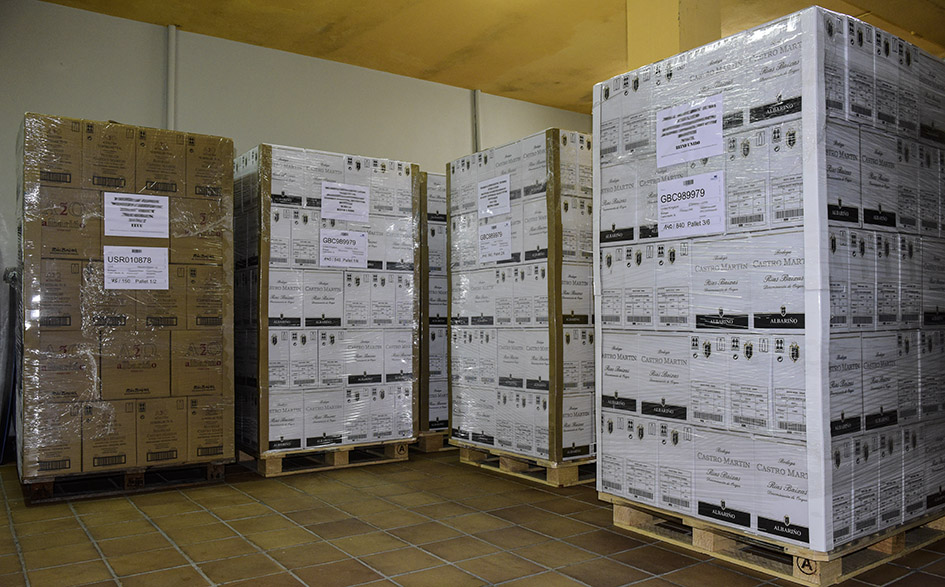
Summer rushin'Today we start a short break in our bodega. At this time of year we always try to take a brief holiday – there is not a lot happening and so we close our doors for a few days, to re-charge our batteries before the busiest period of the year. The harvest and wine making.

In the period leading up to our closure, quite naturally, we give our customers notice, and invite them to order any additional stock that they might require (even though we are only closed for 6 or 7 working days). This sometimes provokes a slight rush, albeit that the summer months are already quite busy – and this year was no exception. During our last week of opening we were still bottling, labelling and thankfully, loading pallets on to trucks. Maybe we should plan more closures to keep the orders piling in!

One other important reason for bottling is quite simply that we need to empty tanks for the harvest. Of course emptying tanks happens as a matter of course as the wine is sold, but then we also have to calculate the tank capacity that we will need for the harvest, and make sure that we have the space available. Imagine if we were pressing grapes and suddenly discovered that we didn’t have enough space to receive the grape must (juice)! Nothing is left to chance and this all has to be planned months in advance – even trying to anticipate the volumes that we might sell during the coming year. However, not everything can be calculated, whilst we will always have an idea of the yields that our vines might produce, it is never really an exact science, and can change dramatically until the very moment that our grapes enter the presses. Vamos a ver, as we say.

When a panther is not black….

June 20th, 2016 | Bodega

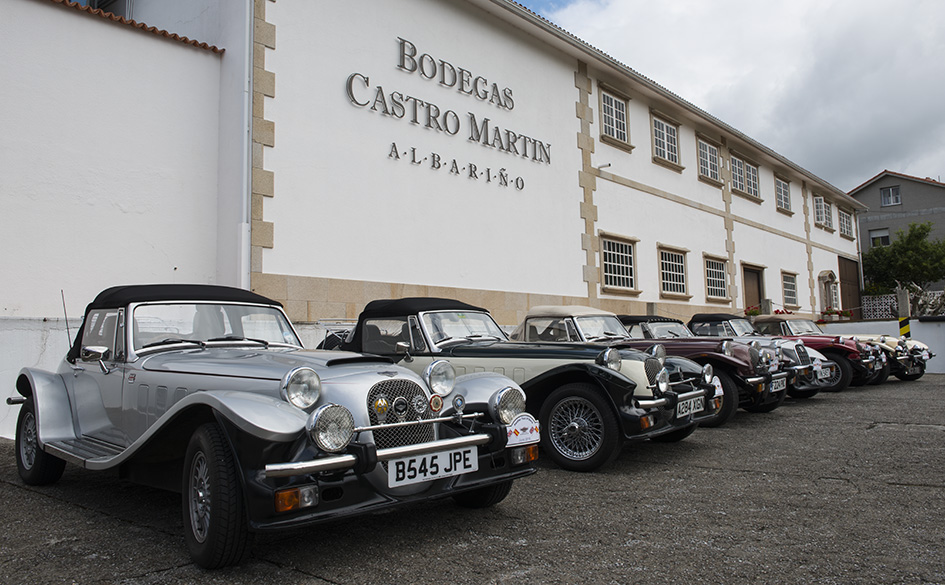
Panther car clubWe had quite an unusual visit the other day – The Panther car club of Great Britain – the visit set up by a friend of mine who is actually a Panther owner. Built between the 1980’s and early 1990’s the Panther is quite similar in style to the Morgan (although I will probably be shot by Panther owners for even suggesting that!)

Anyway, suffice to say that this small procession of cars was still a bit of a traffic stopper in our village, and also looked quite impressive lined up outside the front of our bodega. Although it wasn’t actually raining, it was a bit of a dull day, which is a shame – even my photo looks a bit grey….

Certified? We should be!

June 6th, 2016 | Bodega

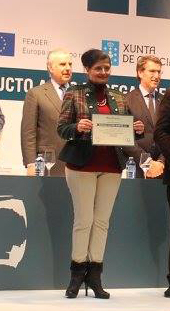
ENAC AngelaBack in 2010 the office of our Denomination set off on a journey. Their goal? To become the very first denomination in Spain to obtain official accreditation for the certification of food and agricultural products, according to the criteria set out in UNE-EN ISO/IEC 17065.

Owing to the huge diversity of vineyards and bodegas controlled by the D.O. this was never going to be an easy task – every single producer, without exception, had to comply with the required standards in order for the plan to succeed. The first and most daunting task was to produce and implement a manual of Quality Control, a process which took more than four years to complete. This quality control manual gives advice and instructions relating to every aspect of production, including vineyard management, winemaking, labelling, bottling and only concludes when every wine has been officially tasted and analysed by the D.O. It goes without saying that every step of the process also has to be carefully recorded, thereby providing full traceability as required by law.

With just over 50% of all Rias Baixas wines now being sold in export, this official accreditation is designed not only to be a further guarantee of quality, but also serves to enhance consumer confidence in all the wines produced within our denomination.

The award ceremony, when all bodegas were handed their certificates of accreditation, took place in March, when Angela stepped forward in her capacity as manager and winemaker of Castro Martin.

You can’t see the wood for the trees…

May 31st, 2016 | Bodega

View restoredOver a dozen years ago, when I first arrived at Castro Martin an integral part of our bodega tour was to take visitors upstairs, to the rear of the building, and show them both the view of Salnés and our proximity to the Atlantic Ocean. In recent years however, this had become impossible, owing to a forest of tall eucalyptus trees that had sprung up behind us.

The eucalyptus is not indigenous to Galicia, but rather was planted extensively throughout the region as a source of fast growing, cheap timber. The species was originally imported from Australia, and has been actively promoted by the paper industry since the mid-20th century. Compared to other parts of Spain, Galicia still has many densely wooded areas, which, during prolonged periods of dry weather, can cause a problem with some significant forest fires.

By coincidence, only last week, I took a group of American visitors up to a ‘mirador’ (look out point) on a local hillside to show them a complete view of our valley, only to discover that it is now partially obscured by eucalyptus, now seemingly growing out of control.

The good news is however, that the trees at the back of our bodega have now been cut down to make way for a new vineyard (not ours), and our view has now been restored. I have highlighted the Ocean in today’s photo, and whilst it might appear like a distant speck on the horizon, it is in fact less than 5km (3miles) from our back door.

Normal service is resumed

May 17th, 2016 | Bodega

LeesYou may know that a couple of weeks ago we returned from quite an extensive tour of the United States, and whilst we always try to stay on top of things, inevitably we always face a backlog of work. No sooner had we started on this, than I received some devastating news from the UK. The tragic loss of my mother. Without wishing to dwell on this subject, the inevitable result was that I had to spend a further ten days away from our business, and as if that was not enough, I have now returned from England with a heavy cold.

So much has happened over the last few weeks that I really don’t know what to write about first, but perhaps the most significant event, from a bodega point of view, is the racking of the first tanks of our 2015 wines. It was pretty much decided before we went to America (already a month ago) that at least some tanks would be ready to remove from their lees. In today’s photo you might notice a few bubbles on the surface of the sediment, these are from the natural CO2 trapped inside the tank, and also the crystal deposits that leave the inside of the tank stained brown….. but nothing that a good cleaning won’t remove. As I have written many times before the timing of racking our wines is ultimately decided simply by a combination of tasting and experience – not really a high-tech methodology I’m afraid.

The new wine that we are preparing now still needs to be cold-stabilised, filtered and submitted to the Denomination tasting panel before it can finally be bottled. This whole process will take another month before we can even consider selling a bottle into the domestic market here in Spain. Oh, and by the way, I forgot to mention that the 2015 wines are actually quite good!

Time for maintenance

February 15th, 2016 | Bodega

[:en]MotorsAt this time of year, when the bodega is quiet, it is clearly the best time to carry out any equipment maintenance. Sometimes it is fairly basic work that we can carry out ‘in house’, whilst on other occasions it is slightly more complicated and we have to leave it to the experts.

One of the most important pieces of equipment that we own are our presses – without presses at harvest time then there would, quite simply, be no wine. Even the breakdown of one of our two presses during the picking can cause us huge problems, creating a severe bottleneck and restricting the smooth flow of grapes through the cellar.

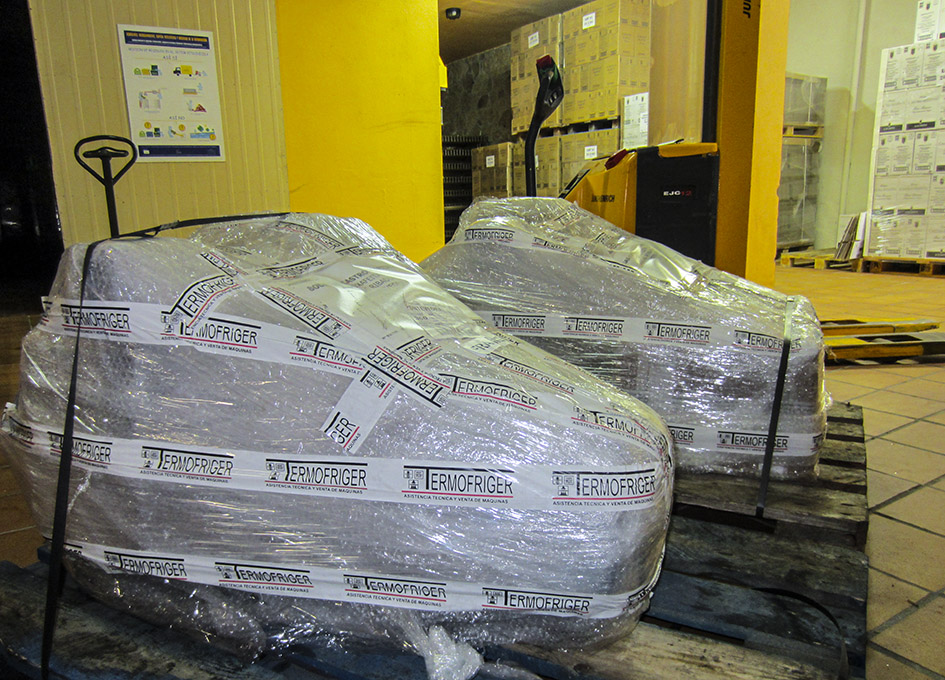
Keeping the presses in good working order is therefore a major priority for us, and therefore this winter we decided to completely overhaul the motors in both machines. Unfortunately the best engineers that we know are not local, actually based in Barcelona on the opposite side of the country. Consequently the two motors were disconnected, packed and dispatched on a holiday for treatment and pampering to the Costa Brava.

A day or two ago they returned, fully overhauled, with many parts replaced, and trussed up in plastic like two giant Christmas turkeys (see photo). It’s now just a small matter of reconnecting and testing, but we are told they should operate like new. Vamos a ver![:es]MotorsAt this time of year, when the bodega is quiet, it is clearly the best time to carry out any equipment maintenance. Sometimes it is fairly basic work that we can carry out ‘in house’, whilst on other occasions it is slightly more complicated and we have to leave it to the experts.

One of the most important pieces of equipment that we own are our presses – without presses at harvest time then there would, quite simply, be no wine. Even the breakdown of one of our two presses during the picking can cause us huge problems, creating a severe bottleneck and restricting the smooth flow of grapes through the cellar.

Keeping the presses in good working order is therefore a major priority for us, and therefore this winter we decided to completely overhaul the motors in both machines. Unfortunately the best engineers that we know are not local, actually based in Barcelona on the opposite side of the country. Consequently the two motors were disconnected, packed and dispatched on a holiday for treatment and pampering to the Costa Brava.

A day or two ago they returned, fully overhauled, with many parts replaced, and trussed up in plastic like two giant Christmas turkeys (see photo). It’s now just a small matter of reconnecting and testing, but we are told they should operate like new. Vamos a ver![:]

We have wine!

October 21st, 2015 | Bodega

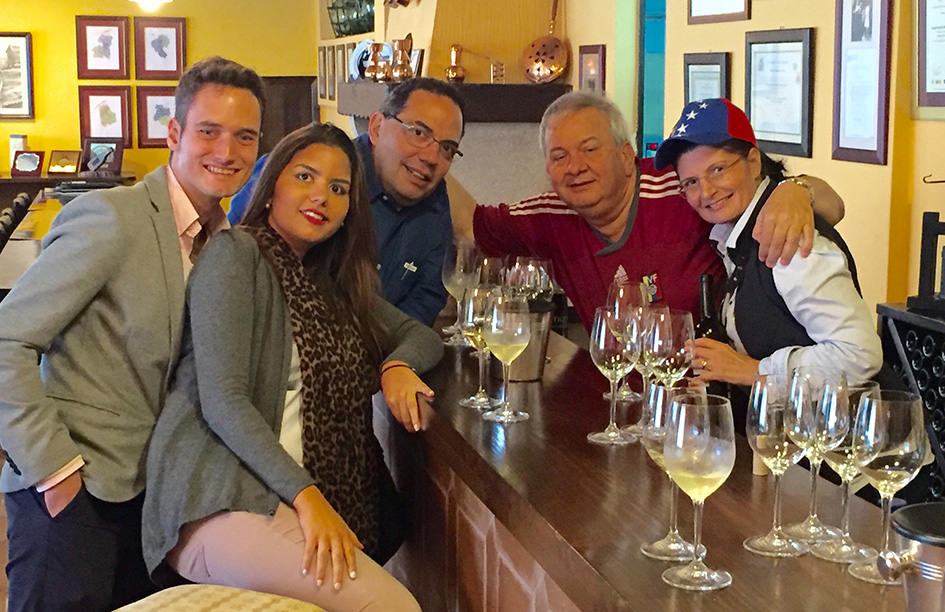
VenezuelaWell, roughly a month after the first grape was picked in anger, we have tanks that have completed their fermentation and can now clearly be called wine, rather than must or grape juice. Of course they are not ready for sale by some distance, as there are many processes that they have to undergo, not least of all a period of lees ageing. Fine lees are the exhausted yeast cells left over from fermentation that help to intensify our wines by adding richness, flavour and aroma complexity. Specific proteins are released naturally during lees contact, and it is these that create a creamy, silky smooth mouthfeel, and texture to the body of the wine. The lees also enhance stability and increase the ageing potential of our wines.

So now it is time for the tanks to simply rest, and the only time that they will be disturbed over the coming months is when we taste them on a regular basis. I will give more details on their progress, and of course my tasting notes, in the coming weeks, but as they have just been sulphured, now is not really a good time to pass judgement.

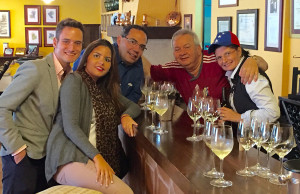
One of the unique events that took place during this year’s harvest, were a couple of PR/customer visits. Under normal circumstances we are far too busy, and the cellar is in far too much disarray to welcome people through our doors, but this year we made a couple of exceptions. The first was a small group of sommeliers and shop managers from the UK, a visit set up by our D.O. office by way of PR and education. Second was our very long-standing importer from Venezuela. Of course it could be that we made these two exceptions as the visitors were from Angela and my respective home countries, or maybe that is just a coincidence…. Suffice to say that we hope both groups enjoyed their time with us. (By the way, Angela doesn’t normally wear a baseball cap in the bodega, but the cap is actually designed in the colours of her National flag!)VenezuelaWell, roughly a month after the first grape was picked in anger, we have tanks that have completed their fermentation and can now clearly be called wine, rather than must or grape juice. Of course they are not ready for sale by some distance, as there are many processes that they have to undergo, not least of all a period of lees ageing. Fine lees are the exhausted yeast cells left over from fermentation that help to intensify our wines by adding richness, flavour and aroma complexity. Specific proteins are released naturally during lees contact, and it is these that create a creamy, silky smooth mouthfeel, and texture to the body of the wine. The lees also enhance stability and increase the ageing potential of our wines.

So now it is time for the tanks to simply rest, and the only time that they will be disturbed over the coming months is when we taste them on a regular basis. I will give more details on their progress, and of course my tasting notes, in the coming weeks, but as they have just been sulphured, now is not really a good time to pass judgement.

One of the unique events that took place during this year’s harvest, were a couple of PR/customer visits. Under normal circumstances we are far too busy, and the cellar is in far too much disarray to welcome people through our doors, but this year we made a couple of exceptions. The first was a small group of sommeliers and shop managers from the UK, a visit set up by our D.O. office by way of PR and education. Second was our very long-standing importer from Venezuela. Of course it could be that we made these two exceptions as the visitors were from Angela and my respective home countries, or maybe that is just a coincidence…. Suffice to say that we hope both groups enjoyed their time with us. (By the way, Angela doesn’t normally wear a baseball cap in the bodega, but the cap is actually designed in the colours of her National flag!)

Keeping it cool

October 7th, 2015 | Bodega

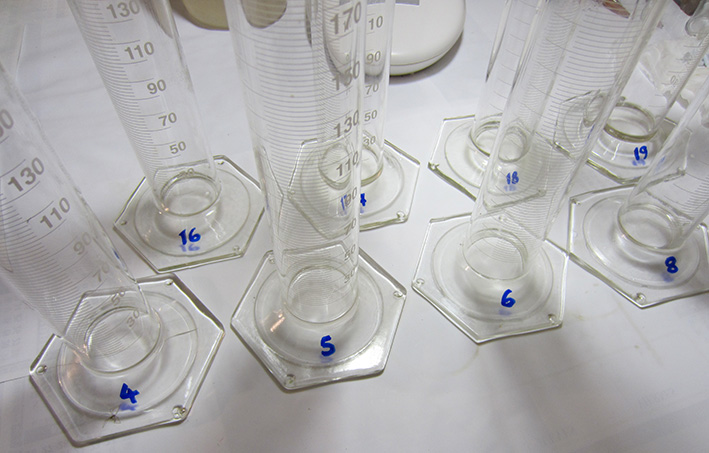
DensityThis may well be my last post relating to the 2015 harvest – not because our fermentations are complete, but mostly because there is not much more that can be said about the winemaking process. At this point we are merely observers, monitoring progress by measuring the density of the must/wine, and then, according to what we see, perhaps making one or two subtle adjustments to the temperature control. The idea is that we have a slow, smooth transition from grape juice into wine and at this point the only form of control that we have is temperature. If the fermentation starts to move too quickly then by reducing the temperature by a decimal place or two, then we can slow things down just a touch. Conversely, if the fermentation looks as though it might be sticking, putting too much stress on the yeast, then we can help it along by increasing the temperature. Once all the sugar has been consumed and the fermentation has come to an end, we simply add a good dose of SO2 to inhibit spoilage and kill any unwanted bacteria (e.g. malolactic bacteria). Et voila, done!

The first tanks that we seeded are not too far from completion now and are almost at a point where they are starting to reveal the true character of the vintage. Until now the natural fruit sugar has been quite dominant, albeit that by tasting we can still judge the concentration, style and overall balance of the developing wine. The result is that we are quietly confident that this year’s wine will be very good, and the fact that we started with some excellent quality, healthy fruit was certainly an essential element in this outcome.DensityThis may well be my last post relating to the 2015 harvest – not because our fermentations are complete, but mostly because there is not much more that can be said about the winemaking process. At this point we are merely observers, monitoring progress by measuring the density of the must/wine, and then, according to what we see, perhaps making one or two subtle adjustments to the temperature control. The idea is that we have a slow, smooth transition from grape juice into wine and at this point the only form of control that we have is temperature. If the fermentation starts to move too quickly then by reducing the temperature by a decimal place or two, then we can slow things down just a touch. Conversely, if the fermentation looks as though it might be sticking, putting too much stress on the yeast, then we can help it along by increasing the temperature. Once all the sugar has been consumed and the fermentation has come to an end, we simply add a good dose of SO2 to inhibit spoilage and kill any unwanted bacteria (e.g. malolactic bacteria). Et voila, done!

The first tanks that we seeded are not too far from completion now and are almost at a point where they are starting to reveal the true character of the vintage. Until now the natural fruit sugar has been quite dominant, albeit that by tasting we can still judge the concentration, style and overall balance of the developing wine. The result is that we are quietly confident that this year’s wine will be very good, and the fact that we started with some excellent quality, healthy fruit was certainly an essential element in this outcome.

Meet Alberto

October 2nd, 2015 | Bodega

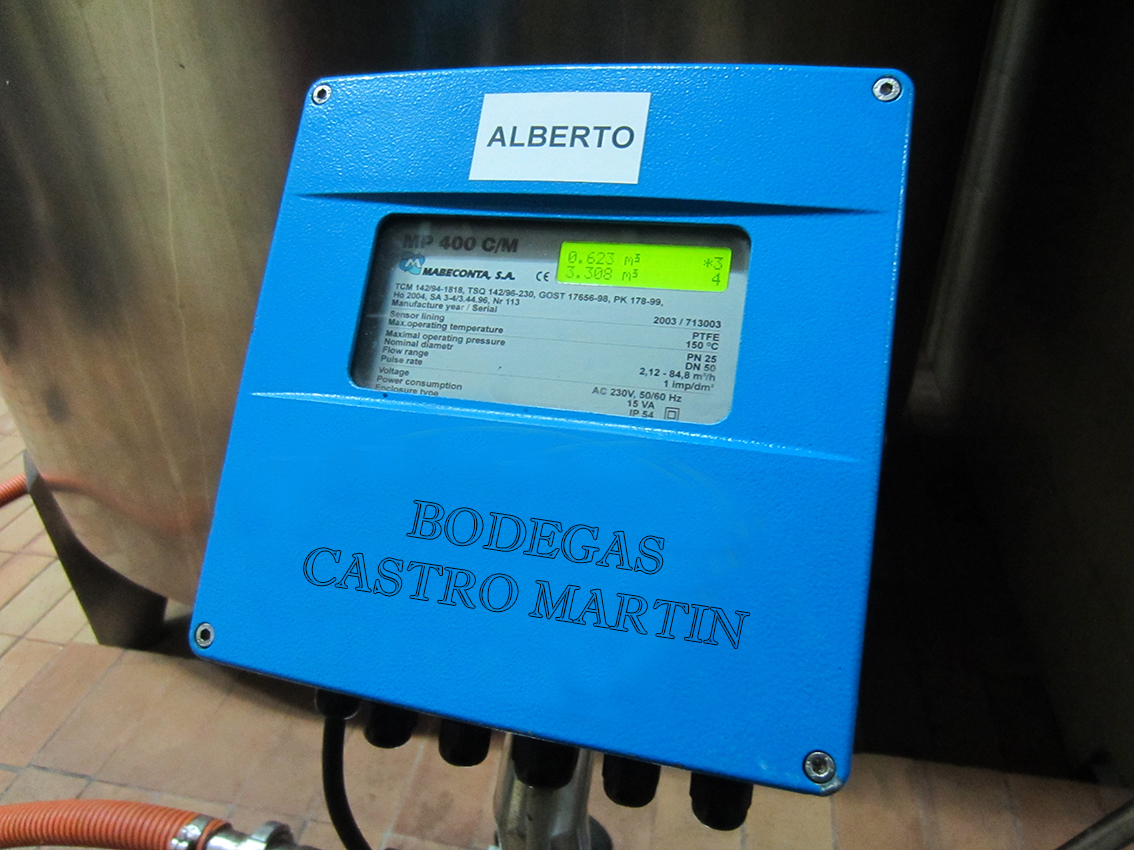
AlbertoThe good news is that all the hard physical work of the wine making is now finished, all the tank additions are done and pumping over (to mix them thoroughly) has been completed. All that remains are a few cleaning jobs – clearly we can’t do any real cleaning in the tank room until the fermentations are complete, and all the tanks are tightly sealed. It might be obvious to most, but the tanks have to be left open at this stage to allow carbon dioxide to escape (a by-product of the fermentation). Consequently, our blowers and extractors have to work overtime to remove all the extremely dangerous CO2 and replace it with fresh air. We are now reaching a point when we can start to talk about our 2015 ‘wine’, as the grape sugar is slowly transformed into alcohol, although it is still months away from being the finished article.

On a couple of occasions during the wine making process we have found the need to call upon the services of Alberto. Now, Alberto is not our secret wine maker or special advisor, but is actually a machine! And why do we call him Alberto? Quite simply because he is liquid counter – measuring the amount of liquid that we move between tanks. OK, so you have to be a cycling enthusiast to understand this one….. The Spanish for counter is ‘contador’, so his name is Alberto Contador (a very famous Spanish cyclist)!AlbertoThe good news is that all the hard physical work of the wine making is now finished, all the tank additions are done and pumping over (to mix them thoroughly) has been completed. All that remains are a few cleaning jobs – clearly we can’t do any real cleaning in the tank room until the fermentations are complete, and all the tanks are tightly sealed. It might be obvious to most, but the tanks have to be left open at this stage to allow carbon dioxide to escape (a by-product of the fermentation). Consequently, our blowers and extractors have to work overtime to remove all the extremely dangerous CO2 and replace it with fresh air. We are now reaching a point when we can start to talk about our 2015 ‘wine’, as the grape sugar is slowly transformed into alcohol, although it is still months away from being the finished article.

On a couple of occasions during the wine making process we have found the need to call upon the services of Alberto. Now, Alberto is not our secret wine maker or special advisor, but is actually a machine! And why do we call him Alberto? Quite simply because he is liquid counter – measuring the amount of liquid that we move between tanks. OK, so you have to be a cycling enthusiast to understand this one….. The Spanish for counter is ‘contador’, so his name is Alberto Contador (a very famous Spanish cyclist)!

Before & After

September 30th, 2015 | Bodega

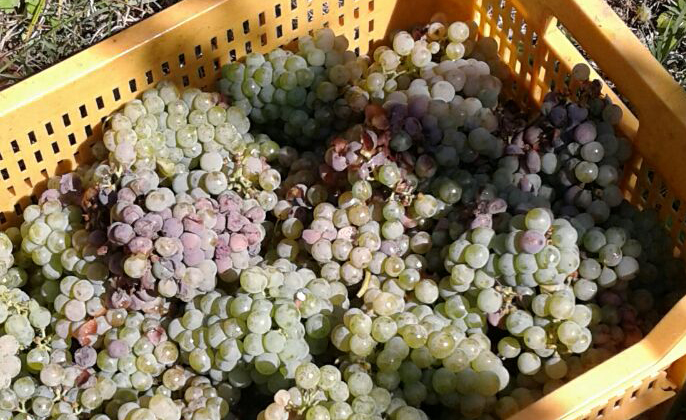
Rot cropIt seems a little strange that we have some tanks in our cellars that are more or less half way through their fermentation, whilst out in the vineyards some other bodegas are only just gathering the last of their fruit. Of course this is the difference between those who picked before the storm, and the many who didn’t even start to pick until after. The only consolation is that the weather since the storm has been good, but then the obvious downside is that the warmth of the sun only helps to promote rot. Despite this burst of late sunshine it will not really help the overall concentration of the must caused by the volume of water absorbed by the fruit (which was quite considerable).

To prove my point, we did manage to take a few photos in a neighbouring vineyard (see today’s picture) after the rains, and the damage caused by rain and subsequent humidity is plain to see. Even if the bodega concerned uses a sorting table in their grape reception, they are going to be losing a considerable percentage of fruit. It must be soul destroying to see half of your year’s work end up in the bin….. Thank goodness it wasn’t Castro Martin!Rot cropIt seems a little strange that we have some tanks in our cellars that are more or less half way through their fermentation, whilst out in the vineyards some other bodegas are only just gathering the last of their fruit. Of course this is the difference between those who picked before the storm, and the many who didn’t even start to pick until after. The only consolation is that the weather since the storm has been good, but then the obvious downside is that the warmth of the sun only helps to promote rot. Despite this burst of late sunshine it will not really help the overall concentration of the must caused by the volume of water absorbed by the fruit (which was quite considerable).

To prove my point, we did manage to take a few photos in a neighbouring vineyard (see today’s picture) after the rains, and the damage caused by rain and subsequent humidity is plain to see. Even if the bodega concerned uses a sorting table in their grape reception, they are going to be losing a considerable percentage of fruit. It must be soul destroying to see half of your year’s work end up in the bin….. Thank goodness it wasn’t Castro Martin!

Monthly Archives

Categories

ARE YOU OF LEGAL AGE? This site is intended for those of legal drinking age. By entering, you confirm that you are of legal drinking age in the country where this site is being accessed. ¿ERES MAYOR DE EDAD? Este sitio está destinado a personas en edad legal para beber alcohol. Al ingresar, confirma que tiene la edad legal para beber en el país donde se accede a este sitio.