

A hot, dry summer…

August 11th, 2015 | Harvest

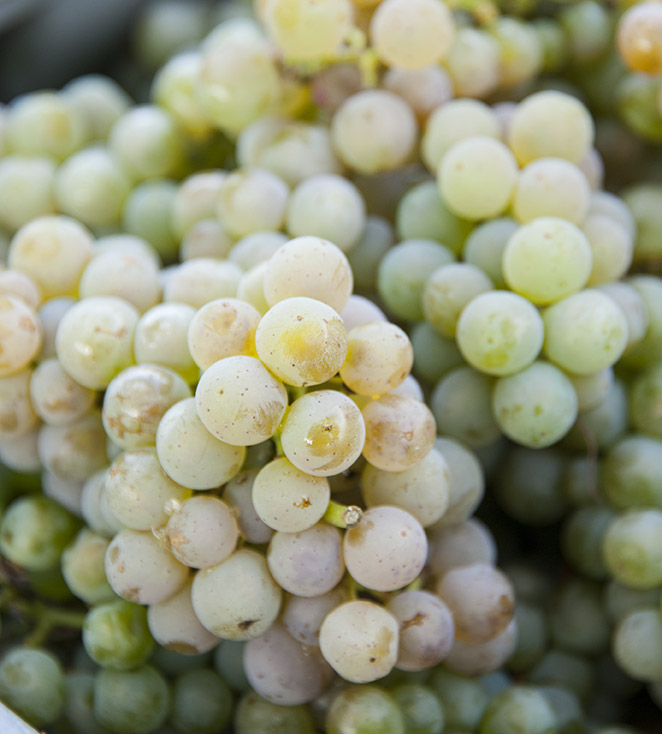
Sanxenxo AugustIt’s almost exactly two years since I wrote about ‘green harvesting’, and the summer of 2015 is no different. Over the last few weeks our guys have been out in the vineyards removing excess bunches. The reasoning behind this is quite simple – the lower the yield, the better the quality. Removing a few bunches on each vine helps to concentrate the energy of the plant into the remaining fruit – a big harvest is rarely a beautiful harvest.

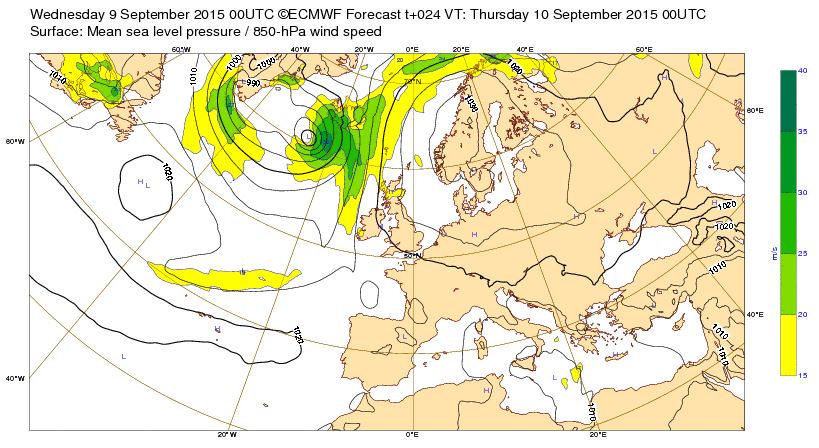
To date the 2015 growing season has been quite favourable, with plenty of warm sunny weather. August is proving to be a few degrees cooler than July, when temperatures often hovered in the upper 20’s C (between 77° and 86°F). Having said that, the one thing they both have in common is the lack of rainfall. I think it’s true to say that the last prolonged period of ‘real’ rain (as opposed to light drizzle) was back in mid-May, nearly three months ago. On our local motorways the signs above the carriageways warn of the high risk of forest fires, whilst our local tourist industry benefits from the crowds packing onto our beautiful beaches.Sanxenxo AugustIt’s almost exactly two years since I wrote about ‘green harvesting’, and the summer of 2015 is no different. Over the last few weeks our guys have been out in the vineyards removing excess bunches. The reasoning behind this is quite simple – the lower the yield, the better the quality. Removing a few bunches on each vine helps to concentrate the energy of the plant into the remaining fruit – a big harvest is rarely a beautiful harvest.

To date the 2015 growing season has been quite favourable, with plenty of warm sunny weather. August is proving to be a few degrees cooler than July, when temperatures often hovered in the upper 20’s C (between 77° and 86°F). Having said that, the one thing they both have in common is the lack of rainfall. I think it’s true to say that the last prolonged period of ‘real’ rain (as opposed to light drizzle) was back in mid-May, nearly three months ago. On our local motorways the signs above the carriageways warn of the high risk of forest fires, whilst our local tourist industry benefits from the crowds packing onto our beautiful beaches.

You can’t judge a wine by it’s colour!

August 5th, 2015 | Food & Wine

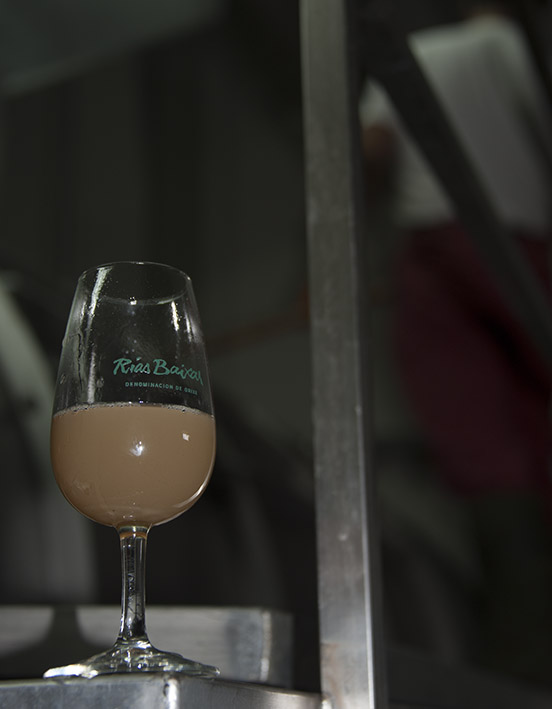
Blue wineI have just read a very interesting article about the importance of colour in food production. For example, the hue of orange juice is carefully measured, and in the United States there is even a juice colour standard for producers (or should that be color?). In terms of colour standards it would appear that fruit and vegetables are at the top of our list, and I’m sure that it’s true to say that our purchasing choices are often dictated by what we see – those bright red strawberries, vibrant orange carrots or perhaps that head of vivid green broccoli. If the colours were slightly washed out, or perhaps even completely wrong, would we then still buy the goods? For instance, I think I am correct in saying that when carrots were first introduced they were not orange, but white, and that they still exist in colours such as red, purple or yellow. But would we buy a yellow carrot? I’m not so sure. Now, this fact leads me fact leads me quite neatly to the real point of my post….. Does the colour change your perception of taste?

Tests carried out seem to suggest that it does. It appears that a type of ‘taste expectation’ from what we see, can actually determine what we perceive in our mouth. For example, in a taste test, when a lime-flavored drink was coloured orange, nearly half of participants thought it was flavoured orange, and when blindfold, hardly any identified the taste at all! But then it appears that colour can actually play an even bigger role when we change either the presentation or even the receptacle used. Respondents said that strawberry mousse tasted better from a white round plate than it did from a black square one, and that coffee in a white mug tasted less sweet than in a transparent or blue mug! The hypothesis goes further, whereby even the strength or hue of lighting can have an influence on taste…..

So how does this concept extend to wine? If you add red colouring to a white wine, will it taste different? Or if you can’t see it at all, will you even be able to determine if it’s red or white? I would certainly like to think that I could tell, but I’m sure that there still exists an opportunity for confusion. We certainly have a tendency to prejudge a wine by what we see. When seeing a white wine with a very deep colour or orange hue, we might immediately start to imagine that it could be either sweet, or perhaps oxidised, even before we have got it anywhere near our nose or mouth. Colouring our taste expectation you might call it.

Of course we would normally drink wine from a white clear glass, as the first, visual phase of the tasting process is extremely important, but imagine if the wine glass was opaque, or perhaps even coloured, how much would that influence what you taste? Certainly food (or wine) for thought.Blue wineI have just read a very interesting article about the importance of colour in food production. For example, the hue of orange juice is carefully measured, and in the United States there is even a juice colour standard for producers (or should that be color?). In terms of colour standards it would appear that fruit and vegetables are at the top of our list, and I’m sure that it’s true to say that our purchasing choices are often dictated by what we see – those bright red strawberries, vibrant orange carrots or perhaps that head of vivid green broccoli. If the colours were slightly washed out, or perhaps even completely wrong, would we then still buy the goods? For instance, I think I am correct in saying that when carrots were first introduced they were not orange, but white, and that they still exist in colours such as red, purple or yellow. But would we buy a yellow carrot? I’m not so sure. Now, this fact leads me fact leads me quite neatly to the real point of my post….. Does the colour change your perception of taste?

Tests carried out seem to suggest that it does. It appears that a type of ‘taste expectation’ from what we see, can actually determine what we perceive in our mouth. For example, in a taste test, when a lime-flavored drink was coloured orange, nearly half of participants thought it was flavoured orange, and when blindfold, hardly any identified the taste at all! But then it appears that colour can actually play an even bigger role when we change either the presentation or even the receptacle used. Respondents said that strawberry mousse tasted better from a white round plate than it did from a black square one, and that coffee in a white mug tasted less sweet than in a transparent or blue mug! The hypothesis goes further, whereby even the strength or hue of lighting can have an influence on taste…..

So how does this concept extend to wine? If you add red colouring to a white wine, will it taste different? Or if you can’t see it at all, will you even be able to determine if it’s red or white? I would certainly like to think that I could tell, but I’m sure that there still exists an opportunity for confusion. We certainly have a tendency to prejudge a wine by what we see. When seeing a white wine with a very deep colour or orange hue, we might immediately start to imagine that it could be either sweet, or perhaps oxidised, even before we have got it anywhere near our nose or mouth. Colouring our taste expectation you might call it.

Of course we would normally drink wine from a white clear glass, as the first, visual phase of the tasting process is extremely important, but imagine if the wine glass was opaque, or perhaps even coloured, how much would that influence what you taste? Certainly food (or wine) for thought.

Festa do Albariño

August 2nd, 2015 | Denomination

LXIII FiestaI have been in the UK for a week, and unfortunately I have missed one of my favourite tastings of the year. The tunnel of wine tasting at this year’s albariño festival, where nearly all the wines of our denomination are lined up under one roof. For me, this is by far the best opportunity to assess the quality of the latest vintage. Of course you can read all the reviews, recommendations and ratings that you like, but the only real way to know is to taste for yourself! To be quite honest, I don’t always agree with the official ratings anyway, quite apart from the fact that they can only provide a very generalised overview, whereas a detailed tasting can reveal good and bad in every vintage.

The tunnel of wine is by far the most civilised way to taste wine during the five day festival, and offers a much more comprehensive selection than the festival area itself. As I have mentioned in previous years, the festival area can become very ‘animated’ in the evenings, and is certainly not a suitable location for serious wine tasting. So the conclusion is quite simple – serious tasters and professionals should use the tunnel – drinkers and party-goers the festival area.

By the way, this years festival could go down as the longest in history. The official website actually advertises the festival as running from 29th June to 2nd August (instead of 29th July to 2nd August)!!LXIII FiestaI have been in the UK for a week, and unfortunately I have missed one of my favourite tastings of the year. The tunnel of wine tasting at this year’s albariño festival, where nearly all the wines of our denomination are lined up under one roof. For me, this is by far the best opportunity to assess the quality of the latest vintage. Of course you can read all the reviews, recommendations and ratings that you like, but the only real way to know is to taste for yourself! To be quite honest, I don’t always agree with the official ratings anyway, quite apart from the fact that they can only provide a very generalised overview, whereas a detailed tasting can reveal good and bad in every vintage.

The tunnel of wine is by far the most civilised way to taste wine during the five day festival, and offers a much more comprehensive selection than the festival area itself. As I have mentioned in previous years, the festival area can become very ‘animated’ in the evenings, and is certainly not a suitable location for serious wine tasting. So the conclusion is quite simple – serious tasters and professionals should use the tunnel – drinkers and party-goers the festival area.

By the way, this years festival could go down as the longest in history. The official website actually advertises the festival as running from 29th June to 2nd August (instead of 29th July to 2nd August)!!

Isn’t it ironic?

July 24th, 2015 | Harvest

SummerWell, to be honest, I’m not quite sure if today’s post is ironic or not. Ironic is one of the most misused words in our dictionary, and more especially in the dictionary of Alanis Morrisette! There is actually quite a subtle difference in definition between what is ironic and what is simply poetic coincidence, so please chose whichever one you think is correct for this story….

Yesterday evening I was thinking that I should write about the near drought conditions that we have here in Galicia at the moment. It was probably back in the middle of May that we had any period of sustained rainfall. True, we have had a couple of odd, cloudy, damp days with just a bit of drizzle, but nothing more than that for over two months. So where’s the irony in that? Of course you can probably guess the answer to that question…… When I opened our shutters this morning, it had been raining, or at least the ground appeared to be quite wet. It’s not actually raining as I write, but we are still shrouded in low cloud and have that horrible misty rain hanging in the air, so I have no idea whether it was heavy rain or just another short shower, followed by drizzle. As far as I’m aware it wasn’t forecast and the predictions say that we will return to warm sunshine within a matter of hours.

Meanwhile, in our vineyards, the consequence of all this warm, dry weather is that the maturity of our fruit has been accelerated quite considerably, and so instead of a predicted harvest date of mid-late September, we are now making preparations for picking to start nearer to the beginning of the month. Let’s see where we go from here.SummerWell, to be honest, I’m not quite sure if today’s post is ironic or not. Ironic is one of the most misused words in our dictionary, and more especially in the dictionary of Alanis Morrisette! There is actually quite a subtle difference in definition between what is ironic and what is simply poetic coincidence, so please chose whichever one you think is correct for this story….

Yesterday evening I was thinking that I should write about the near drought conditions that we have here in Galicia at the moment. It was probably back in the middle of May that we had any period of sustained rainfall. True, we have had a couple of odd, cloudy, damp days with just a bit of drizzle, but nothing more than that for over two months. So where’s the irony in that? Of course you can probably guess the answer to that question…… When I opened our shutters this morning, it had been raining, or at least the ground appeared to be quite wet. It’s not actually raining as I write, but we are still shrouded in low cloud and have that horrible misty rain hanging in the air, so I have no idea whether it was heavy rain or just another short shower, followed by drizzle. As far as I’m aware it wasn’t forecast and the predictions say that we will return to warm sunshine within a matter of hours.

Meanwhile, in our vineyards, the consequence of all this warm, dry weather is that the maturity of our fruit has been accelerated quite considerably, and so instead of a predicted harvest date of mid-late September, we are now making preparations for picking to start nearer to the beginning of the month. Let’s see where we go from here.

New York Sips

July 20th, 2015 | Press

New York Sips-1At the end of May I spent a couple of days in a hot and humid New York City. The prime reason for my visit was a tasting of Rias Baixas wines, but I also spent some time pounding the baking city streets with the sales team of our importer, and an odd moment or two with the press. In a restaurant situated directly beneath the New York High Line I had lunch with wine journalist Lana Bortolot. (For those who don’t know the High Line a raised walkway running parallel to the Hudson River, down the west side of the city, built on a 1.5 mile section of disused railroad track. Certainly a fabulous place to visit, if only to admire the outstanding landscaping of perennials, grasses, shrubs and trees, and to escape the hustle and bustle of the city for a moment).

Lana’s article appeared in the July issue of the U.S. magazine The Tasting Panel where she made some very kind comments about our two 2013 wines that she tasted. Describing our A2O as having a “shimmering sweetness”, and our Castro Martin Family Estate with its “drink me now freshness and distinctive salinity”. Exactly as we intended.New York Sips-1At the end of May I spent a couple of days in a hot and humid New York City. The prime reason for my visit was a tasting of Rias Baixas wines, but I also spent some time pounding the baking city streets with the sales team of our importer, and an odd moment or two with the press. In a restaurant situated directly beneath the New York High Line I had lunch with wine journalist Lana Bortolot. (For those who don’t know the High Line a raised walkway running parallel to the Hudson River, down the west side of the city, built on a 1.5 mile section of disused railroad track. Certainly a fabulous place to visit, if only to admire the outstanding landscaping of perennials, grasses, shrubs and trees, and to escape the hustle and bustle of the city for a moment).

Lana’s article appeared in the July issue of the U.S. magazine The Tasting Panel where she made some very kind comments about our two 2013 wines that she tasted. Describing our A2O as having a “shimmering sweetness”, and our Castro Martin Family Estate with its “drink me now freshness and distinctive salinity”. Exactly as we intended.

10°C in 12km

July 16th, 2015 | Galicia

Rolling mistIn the guide books of Galicia you might read that the region is more or less divided in two – the Rias Baixas (the lower rivers or estuaries) and the Rias Altas (the higher rivers or estuaries). The regulated wine producing area is located entirely in the Rias Baixas, and quite obviously, is why our denomination assumes that name. The D.O. is then sub-divided into zones, stretching from the Miño river in the south (that forms the border with Portugal), to the Ulla in the North, which is not too far from Santiago de Compostela.

Although the distances from north to south are not that great (we are in the northern zone of Salnés, and yet only about 60km north of the Portuguese border), there is still quite a lot of variation in the styles of wine produced. Generally speaking, the wines from the north are lean, vivacious with a fresh acidity, whereas the southern wines tend to be a bit fatter, softer and have a lower acidity.

The point of my story is however, probably more about microclimate. Our bodega is located close to the Ria de Arousa, near Cambados, whilst our home is just 12km further south on the Ria de Pontevedra (one ‘estuary’ lower down the coast). When I left our wine cellar yesterday at 4pm to drive home, the shade temperature in front of the building was 32°C (87°F), but as I started my journey I noticed that the thermometer in my car was dropping quite rapidly. By the time I had driven the 12km to my house the temperature had dropped to a refreshing 22°C (71°F) – a difference of 10°C (15°F). And the reason?…. A sea fog. During the day a dense curtain of mist had rolled slowly up the Ria de Pontevedra, shrouding the entire area in a veil of cooling cloud, completely preventing the sun from penetrating until the late afternoon. Not only did this fog create the dramatic difference in temperatures, but it is also the very same fog that occasionally hangs over our vineyards and is said to add a little saline character to our fruit….. You can really taste the sea!Rolling mistIn the guide books of Galicia you might read that the region is more or less divided in two – the Rias Baixas (the lower rivers or estuaries) and the Rias Altas (the higher rivers or estuaries). The regulated wine producing area is located entirely in the Rias Baixas, and quite obviously, is why our denomination assumes that name. The D.O. is then sub-divided into zones, stretching from the Miño river in the south (that forms the border with Portugal), to the Ulla in the North, which is not too far from Santiago de Compostela.

Although the distances from north to south are not that great (we are in the northern zone of Salnés, and yet only about 60km north of the Portuguese border), there is still quite a lot of variation in the styles of wine produced. Generally speaking, the wines from the north are lean, vivacious with a fresh acidity, whereas the southern wines tend to be a bit fatter, softer and have a lower acidity.

The point of my story is however, probably more about microclimate. Our bodega is located close to the Ria de Arousa, near Cambados, whilst our home is just 12km further south on the Ria de Pontevedra (one ‘estuary’ lower down the coast). When I left our wine cellar yesterday at 4pm to drive home, the shade temperature in front of the building was 32°C (87°F), but as I started my journey I noticed that the thermometer in my car was dropping quite rapidly. By the time I had driven the 12km to my house the temperature had dropped to a refreshing 22°C (71°F) – a difference of 10°C (15°F). And the reason?…. A sea fog. During the day a dense curtain of mist had rolled slowly up the Ria de Pontevedra, shrouding the entire area in a veil of cooling cloud, completely preventing the sun from penetrating until the late afternoon. Not only did this fog create the dramatic difference in temperatures, but it is also the very same fog that occasionally hangs over our vineyards and is said to add a little saline character to our fruit….. You can really taste the sea!

Come to Galicia…. for a taste of India!?

July 11th, 2015 | Fiestas

Ribadeo IndianOK, I know that I sometimes poke fun at the local fiestas, under the banner of “any excuse to celebrate”, but even I was a bit puzzled by the latest – the Ribadeo Festival of India. Perhaps all the ideas for fiestas have finally been used up – chicken, sardine, cocido and even the odd Oktoberfest, but India? As far as I’m aware many Spanish people don’t even like very spicy food! For example, there have been several Indian restaurants popping up locally in recent years, but then they have all disappeared, almost as quickly as they arrived.

I’m actually quite a big curry fan, and regularly make them for myself during the winter months. I say for myself, because although Angela loves the smell, she finds even my very ‘mild’ versions too hot to digest. I’m afraid I’m just the opposite, I make Madras and Vindaloo in my kitchen, albeit that neither of these two styles originate from India! Madras style is actually a restaurant invention (like the infamous tikka masala), and is really just a hotter version of a standard curry. Vindaloo is a dish of Portuguese origin, which over time was spiced up by the people of the ex-Portuguese colony of Goa. It’s name originates from the two main ingredients which were “vinho”, wine/wine vinegar, and “alhos”, garlic.

I doubt very much if the Spanish will be inventing curry dishes any time soon, although this latest Indian Festival could be a step in the right direction.Ribadeo IndianOK, I know that I sometimes poke fun at the local fiestas, under the banner of “any excuse to celebrate”, but even I was a bit puzzled by the latest – the Ribadeo Festival of India. Perhaps all the ideas for fiestas have finally been used up – chicken, sardine, cocido and even the odd Oktoberfest, but India? As far as I’m aware many Spanish people don’t even like very spicy food! For example, there have been several Indian restaurants popping up locally in recent years, but then they have all disappeared, almost as quickly as they arrived.

I’m actually quite a big curry fan, and regularly make them for myself during the winter months. I say for myself, because although Angela loves the smell, she finds even my very ‘mild’ versions too hot to digest. I’m afraid I’m just the opposite, I make Madras and Vindaloo in my kitchen, albeit that neither of these two styles originate from India! Madras style is actually a restaurant invention (like the infamous tikka masala), and is really just a hotter version of a standard curry. Vindaloo is a dish of Portuguese origin, which over time was spiced up by the people of the ex-Portuguese colony of Goa. It’s name originates from the two main ingredients which were “vinho”, wine/wine vinegar, and “alhos”, garlic.

I doubt very much if the Spanish will be inventing curry dishes any time soon, although this latest Indian Festival could be a step in the right direction.

Vive le tour!

July 9th, 2015 | International News

TDFAfter a hard day on a tough mountain stage of the Tour what could be more refreshing than a nicely chilled glass of albariño (or perhaps, as in the case of today’s photo, the whole bottle). I have also seen old photos of cyclists in the saddle drawing on a cigarette as they speed through the countryside – professional cycling has certainly moved on a long way since then!

Every year the Vuelta de España flashes past our door, pretty much in the blink of an eye. I must confess that it has never occurred to me to set up a tasting table at the side of the road, but then thinking about it, trying to grab a wine glass at 60km per hour might just be a bit perilous!TDFAfter a hard day on a tough mountain stage of the Tour what could be more refreshing than a nicely chilled glass of albariño (or perhaps, as in the case of today’s photo, the whole bottle). I have also seen old photos of cyclists in the saddle drawing on a cigarette as they speed through the countryside – professional cycling has certainly moved on a long way since then!

Every year the Vuelta de España flashes past our door, pretty much in the blink of an eye. I must confess that it has never occurred to me to set up a tasting table at the side of the road, but then thinking about it, trying to grab a wine glass at 60km per hour might just be a bit perilous!

Mad beast season

July 8th, 2015 | Fiestas

Pamplona bullsThe hot, dry weather continues here in Galicia, albeit that there is a nice fresh wind blowing today keeping the temperature down. Having said that it appears that the sun might have seriously impaired the thinking of some, leaving them to either wrestle wild horses, or perhaps run along the streets whilst being chased by bulls.

Spain is ,of course, the country of fiestas, but the annual calendar has now arrived at ‘silly season’ where man and beast come together by way of some rather odd celebrations. Here in Galicia we have the annual Rapa das Bestas – a ritual that dates back to the 15th Century. This entails wild horses being rounded up from the hillsides and guided into an enclosure in the centre of Sabucedo, simply to have their manes and tails trimmed. On face value quite an easy job, except that the only permitted way to control or subdue the horses is by using brute strength, meaning that the whole festival more or less resembles what can only be described as organised horse wrestling.

Meanwhile, over in Pamplona they have the annual Festival of San Fermin, which includes the daily ‘encierro’ – the simple matter of running through very crowded streets whilst being chased by a herd of bulls. Since 1925, some 15 people have been killed in the process, being either gored or trampled under the hooves of these heavy beasts – the most recent fatality was in 2009. Up to 300 people are injured every year.

I think I’ll stick to the albariño festival, which takes place at the beginning of next month. It gets pretty wild, but I don’t think the risk of injury is quite as high!Pamplona bullsThe hot, dry weather continues here in Galicia, albeit that there is a nice fresh wind blowing today keeping the temperature down. Having said that it appears that the sun might have seriously impaired the thinking of some, leaving them to either wrestle wild horses, or perhaps run along the streets whilst being chased by bulls.

Spain is ,of course, the country of fiestas, but the annual calendar has now arrived at ‘silly season’ where man and beast come together by way of some rather odd celebrations. Here in Galicia we have the annual Rapa das Bestas – a ritual that dates back to the 15th Century. This entails wild horses being rounded up from the hillsides and guided into an enclosure in the centre of Sabucedo, simply to have their manes and tails trimmed. On face value quite an easy job, except that the only permitted way to control or subdue the horses is by using brute strength, meaning that the whole festival more or less resembles what can only be described as organised horse wrestling.

Meanwhile, over in Pamplona they have the annual Festival of San Fermin, which includes the daily ‘encierro’ – the simple matter of running through very crowded streets whilst being chased by a herd of bulls. Since 1925, some 15 people have been killed in the process, being either gored or trampled under the hooves of these heavy beasts – the most recent fatality was in 2009. Up to 300 people are injured every year.

I think I’ll stick to the albariño festival, which takes place at the beginning of next month. It gets pretty wild, but I don’t think the risk of injury is quite as high!

U.S. Visitors

July 3rd, 2015 | International News

Visit 2015We have been pretty tied up at the bodega this week, with a group of visitors from the U.S. market. Our importers Frederick Wildman made their second annual visit to Castro Martin, bringing with them a selection of their regional distributors. The States of New York, California, North Carolina, Maryland, Texas and Tennessee were all represented.

After nearly two days with us I think it would be fair to say that they were well and truly indoctrinated into the ways of Rias Baixas, and more especially those of Castro Martin. Not only did they visit vineyards and the wine cellar, where we conducted various tastings, but they also had the opportunity to taste some of our local dishes, in both traditional and contemporary locations. They even visited the local fish market with one of Galicia’s top chefs, Xosé Cannas, to buy the ingredients and watch their lunch being prepared for them. I believe that this all helped to create a good impression of our region, and hopefully have created nearly a dozen new ambassadors for Castro Martin albariño.

At the end of their visit we did even contemplate holding a small test of what they had learnt, but decided that this might be stretching their newly found enthusiasm just a little too far!Visit 2015We have been pretty tied up at the bodega this week, with a group of visitors from the U.S. market. Our importers Frederick Wildman made their second annual visit to Castro Martin, bringing with them a selection of their regional distributors. The States of New York, California, North Carolina, Maryland, Texas and Tennessee were all represented.

After nearly two days with us I think it would be fair to say that they were well and truly indoctrinated into the ways of Rias Baixas, and more especially those of Castro Martin. Not only did they visit vineyards and the wine cellar, where we conducted various tastings, but they also had the opportunity to taste some of our local dishes, in both traditional and contemporary locations. They even visited the local fish market with one of Galicia’s top chefs, Xosé Cannas, to buy the ingredients and watch their lunch being prepared for them. I believe that this all helped to create a good impression of our region, and hopefully have created nearly a dozen new ambassadors for Castro Martin albariño.

At the end of their visit we did even contemplate holding a small test of what they had learnt, but decided that this might be stretching their newly found enthusiasm just a little too far!

Monthly Archives

Categories

ARE YOU OF LEGAL AGE? This site is intended for those of legal drinking age. By entering, you confirm that you are of legal drinking age in the country where this site is being accessed. ¿ERES MAYOR DE EDAD? Este sitio está destinado a personas en edad legal para beber alcohol. Al ingresar, confirma que tiene la edad legal para beber en el país donde se accede a este sitio.